Walls painted in dark hues have been in trend again for the past decade. Many consider it daring, distinguished and unique. Some see it as transformative and realizes the added depth and visual interest it creates. Whatever your reason is, if you’re reading this article, then most probably you are fond of dark homes, you’re interested to have one, or you already have a dark home.
Although the positives are glaring, having a dark home can be very challenging. Here we will discuss hacks that you can do to balance out your dark home through lighting.
Hack 1 – Layer Your Lighting
Layered lighting is important regardless if you have a dark home or not. If you have no idea what layered lighting means, it’s basically using the most basic types of lighting properly. When done right, it will help bring a room to life with the right mix of design flexibility and functionality. What’s important to note on this matter is that it’s used even on light painted walls so what more for a dark home?
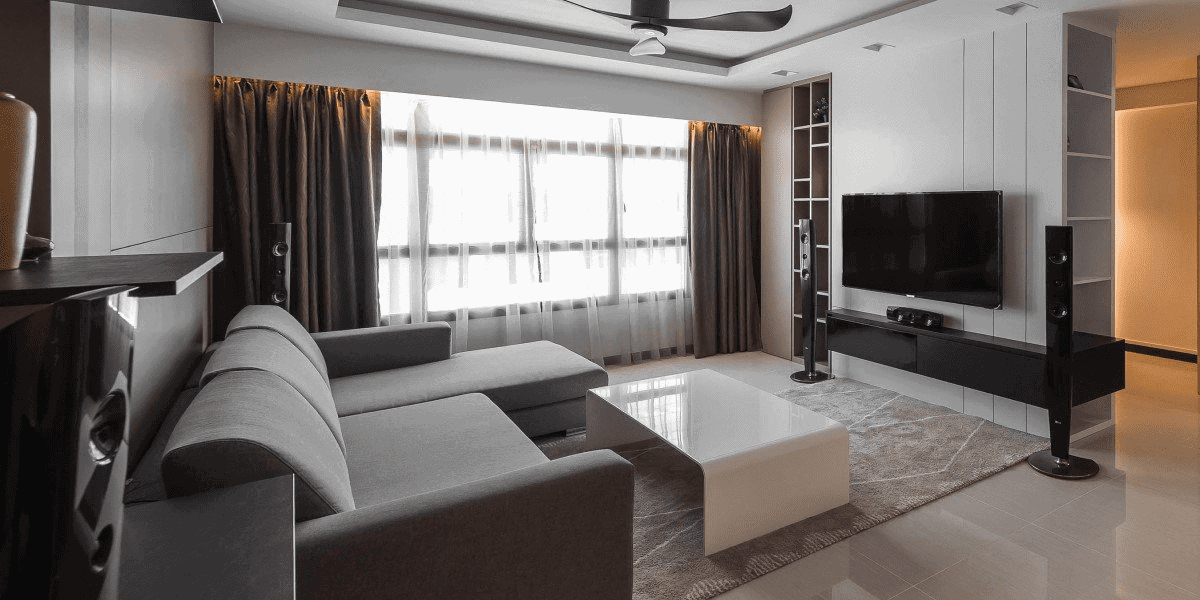 Image Credit: Renopedia, Ciseern by Designer Furnishings
Ambient Lighting
Ambient lighting is the most commonly used type of lighting. It basically provides general illumination for a room in your home. For dark homes, you should consider doubling the amount of ambient lighting per room. Multiple sources of ambient lighting can create a nice and layered illumination scheme in your room. It will make the area brighter and will negate the dim effect of dark walls and flooring.
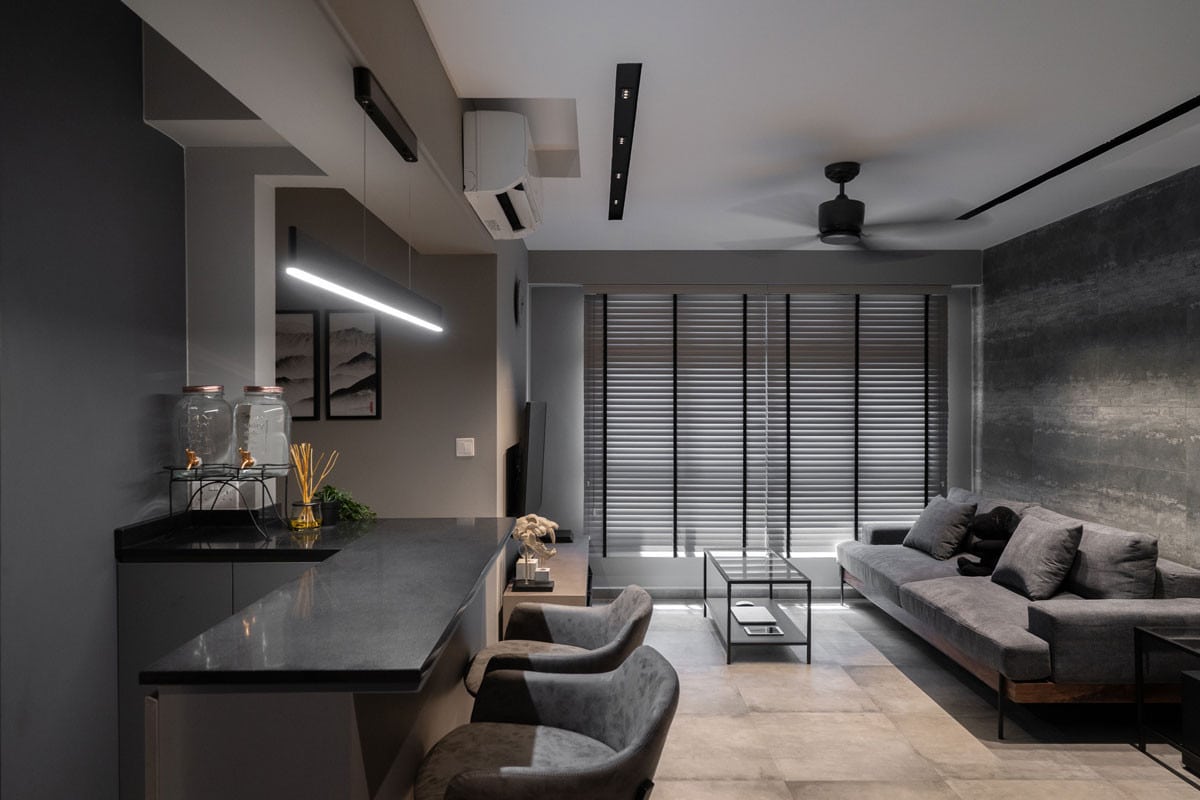 Image Credit: Renonation, Arche Interior
For multiple general lighting, you may consider two surface mounted ceiling lights or maybe add a pendant lamp to a hanging lamp or a ceiling mounted fixture.
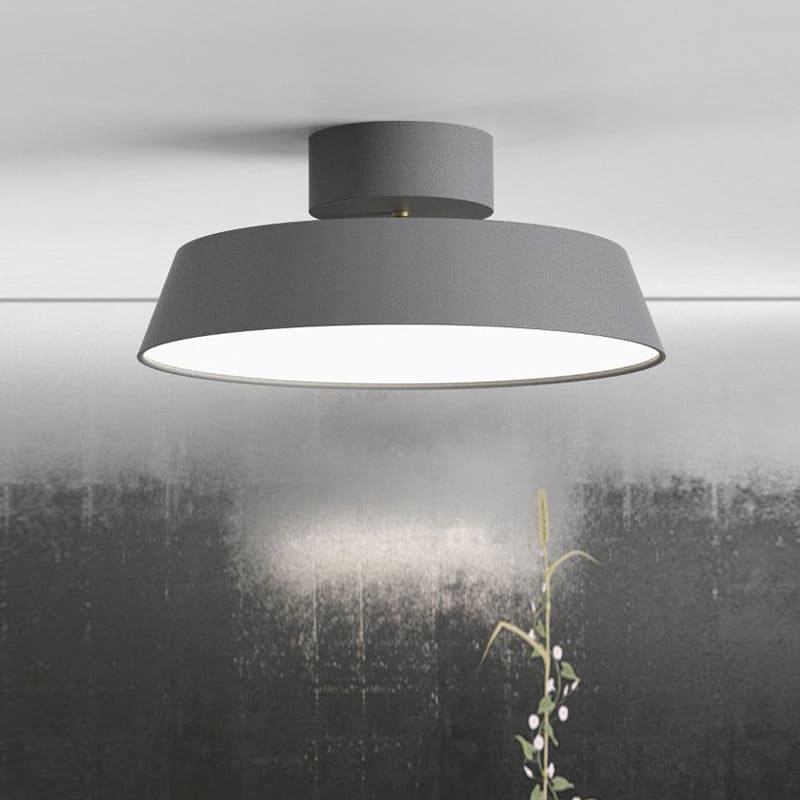 Get this look: Yarulin Modern Minimalist Adjustable Ceiling Lamp
Task Lighting
Task lighting provides lighting for a particular task. For a dark home, this type of lighting is very important for obvious reasons. Wall lamps, track lights, and pendant lamps are commonly used fixtures for task lighting. Basically, the goal is to direct light into a particular area where tasks are completed. More common tasks requiring task lighting include cooking, food preparation, office works, studying, drawing, playing board games, putting on make-up, or reading. Wall lamps beside a chair for reading may do the trick.
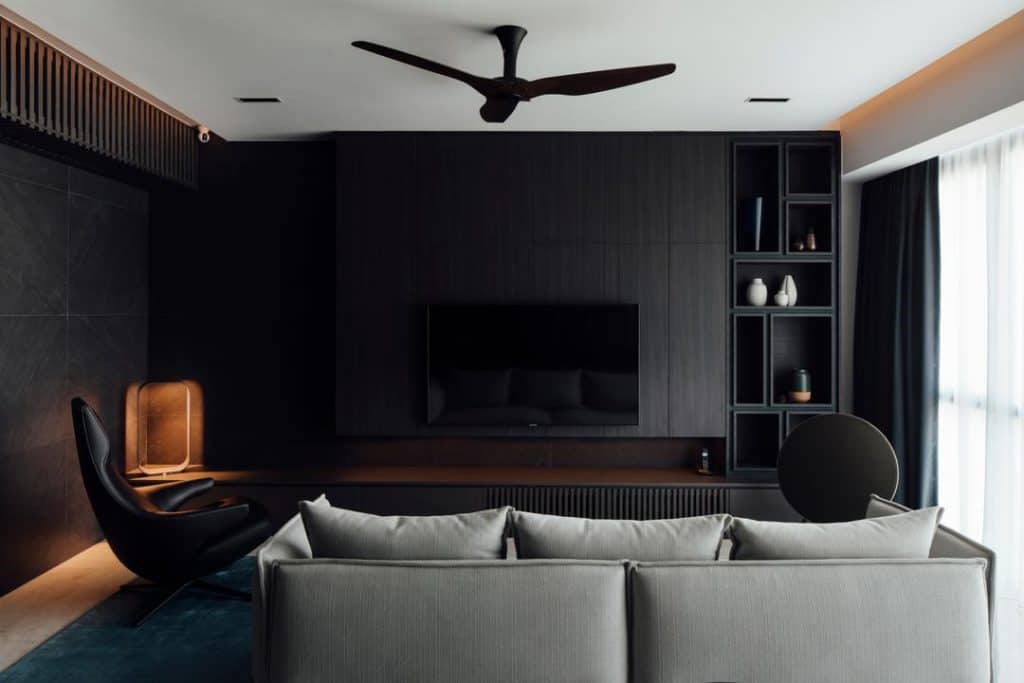 Image Credit: Qanvast, Hall Interiors
If you provide task lighting, then the more important tasks will have sufficient illumination and your dark home problems can be solved partially.
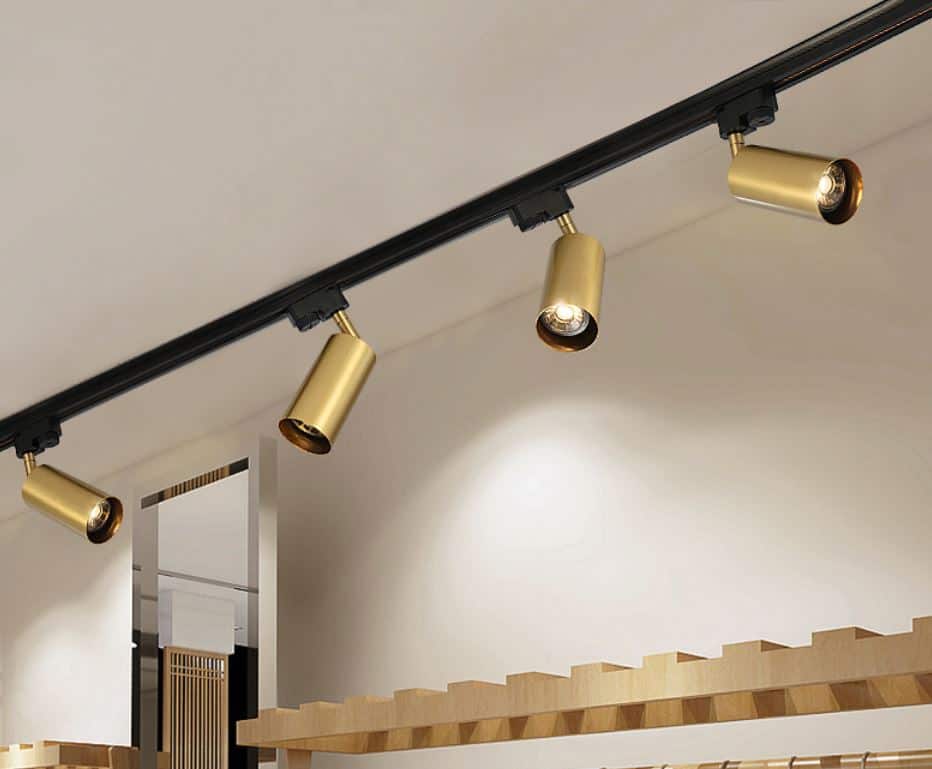 See this look: Cabaasi Sleek Tube Spotlight
Accent Lighting
Accent lighting is more often than not associated with design and aesthetics. Under cabinet lighting, wall lamps that reflect lights upwards and downwards, recessed pin lights, track lights highlighting certain home features are all popular lighting methods used for accent lighting. Despite being known simply for heightening or accentuating areas of the home, accent lighting is also helpful in your dark home issue. Obviously, any added light will make the home brighter. But looking at it deeper, accent lighting is actually key to a brighter home as it can essentially bring lighting to dark corners and shadowy spots.
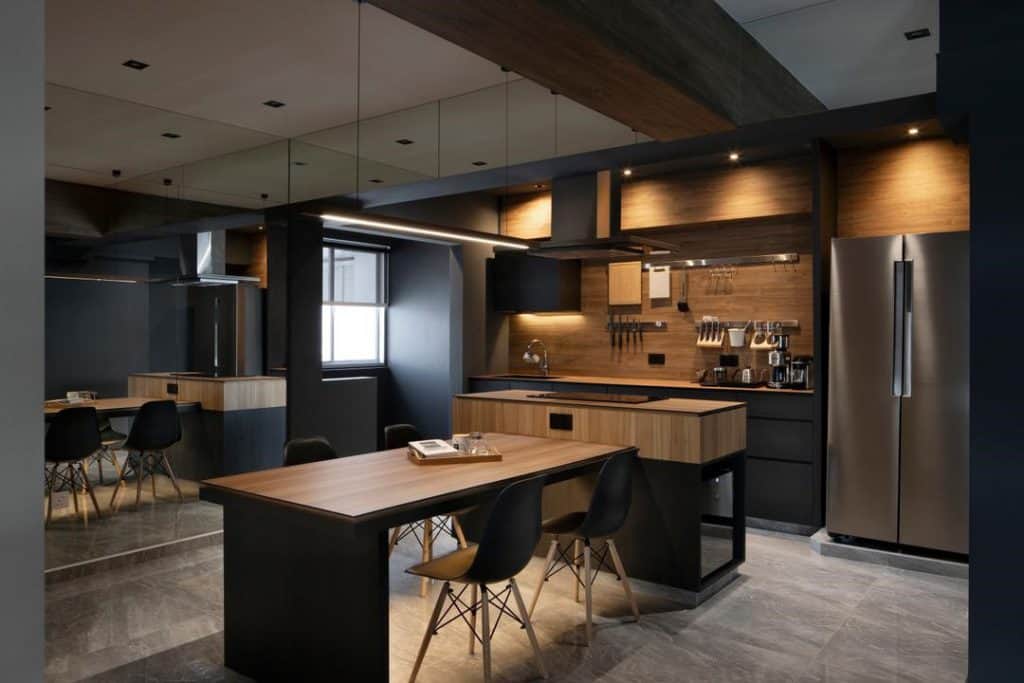 Image Credit: Qanvast, Aestherior
Adding just one of these most common types of lights can already make a home bright. But with dark homes, you may need a combination of at least two, or maybe use it all for better results.
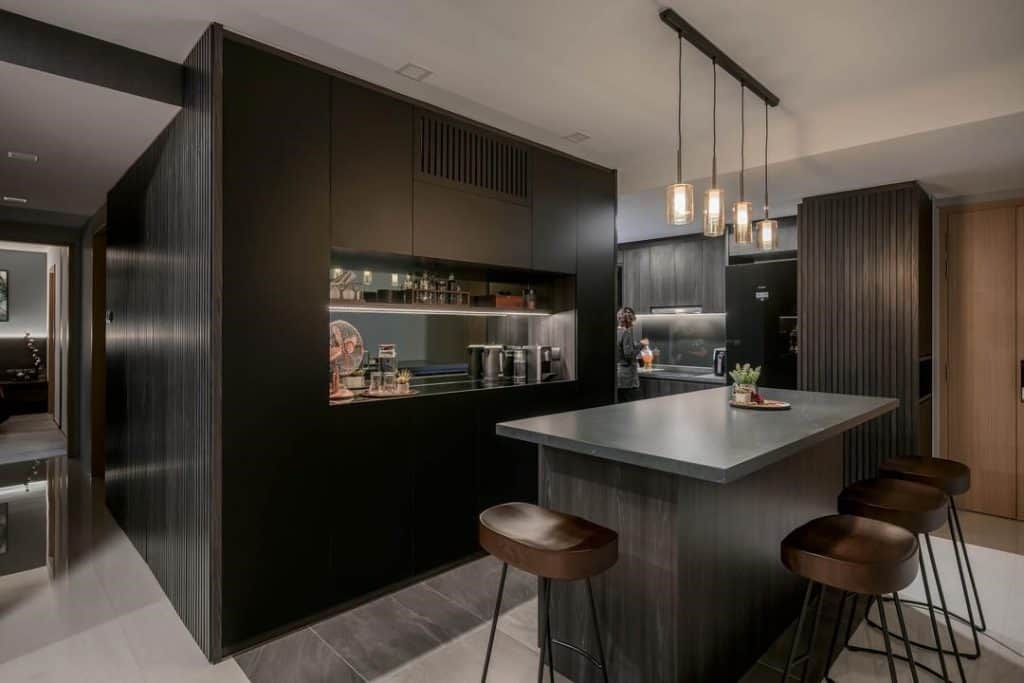 Image Credit: Qanvast, Zenith Arc
Hack 2 – Ensure Your Fixtures Have the Right Light Output
Lighting adds both style and functionality to your home. Previously, we discussed about the right lighting fixtures and how it greatly affects your home interior. But let’s not forget the obvious – lighting fixtures will not provide illumination, at least not without the light itself. Whether it is a bulb or an LED strip, it is important to have the right light output installed.
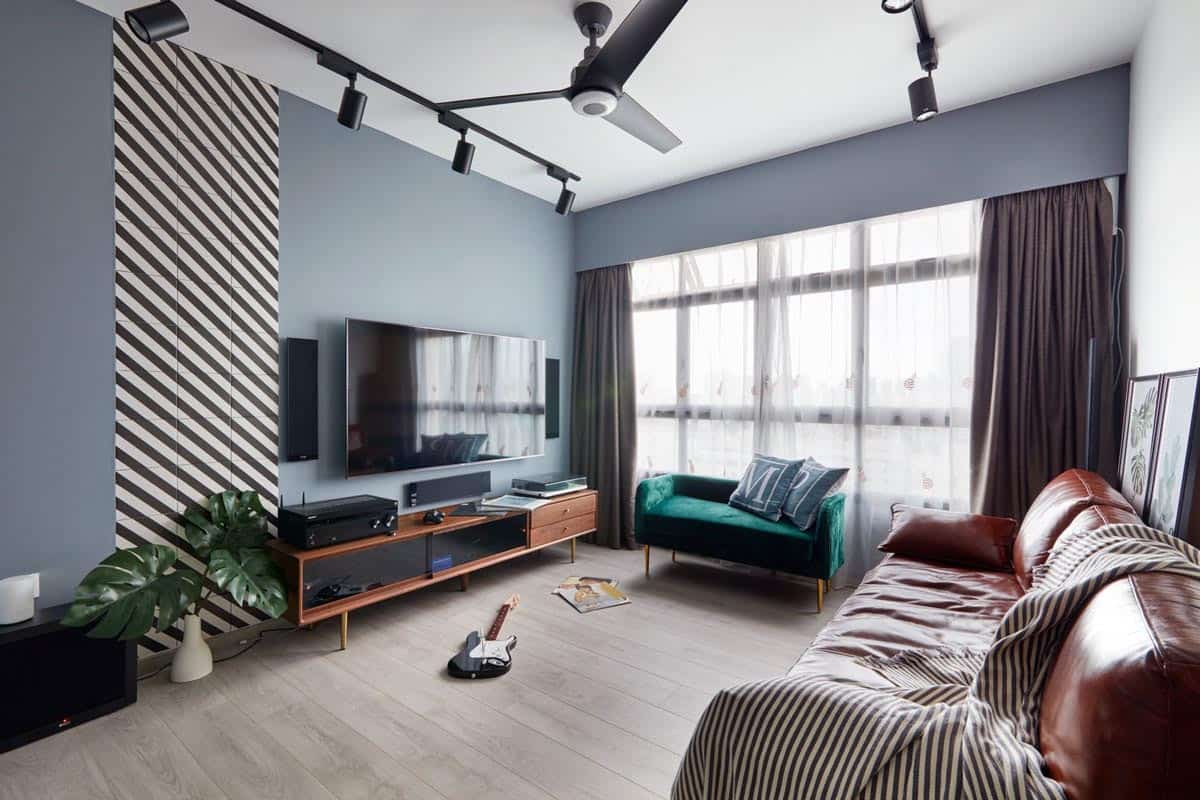 Image Credit: Renonation, Free Space Intent
If you’re lighting up a living room and you think your 12 watts bulb is insufficient, then upgrade to an 18 watts bulb. A shift from 12 watts to 18 watts can already make a big difference. Several online tools are posted on the internet which can help you find out the right light output you will need per room. See this link to learn more.
Hack 3 – Add an Extra Lamp
As mentioned previously, layered lighting is important for the right interior design. One facet of layering lighting is mixing and matching various types of lighting to come up with the right combination. With dark homes, additional lighting will always be welcome. Perhaps the easiest trick in the book is to add an extra lamp. Whether it is a table lamp or a wall lamp, it could already bring a lot to the table.
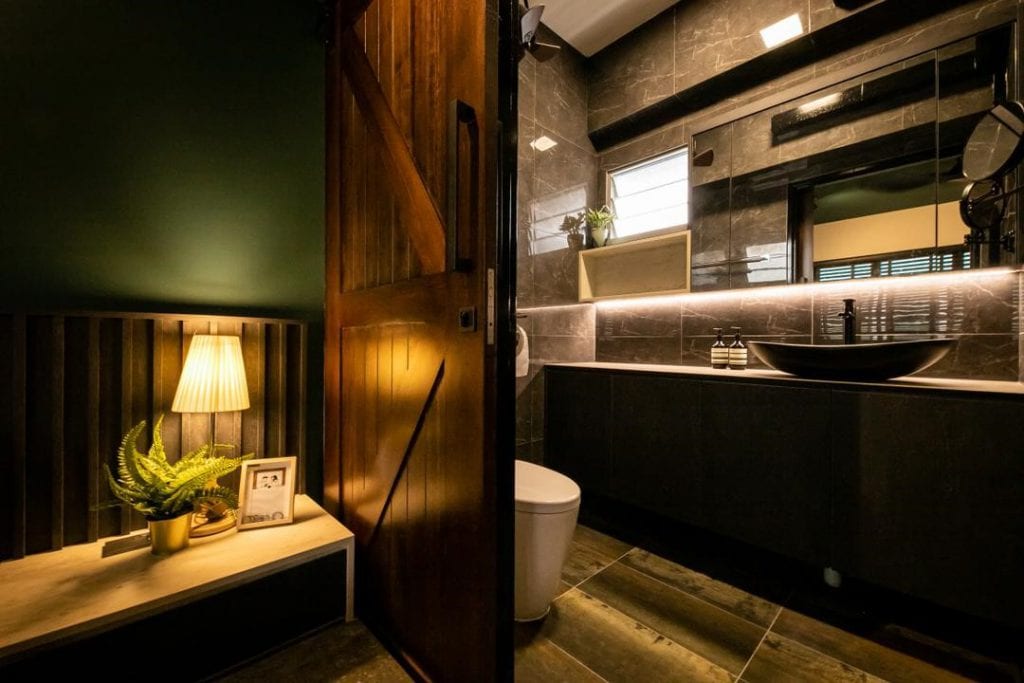 Image Credit: Qanvast, Space Atelier
Wall lamps are highly recommended to be added to light up dull corners of a wall. Install on both corners preferably 40 centimeters from the edge and you’ll be able to add a soft glow and give the space a new lease of life.
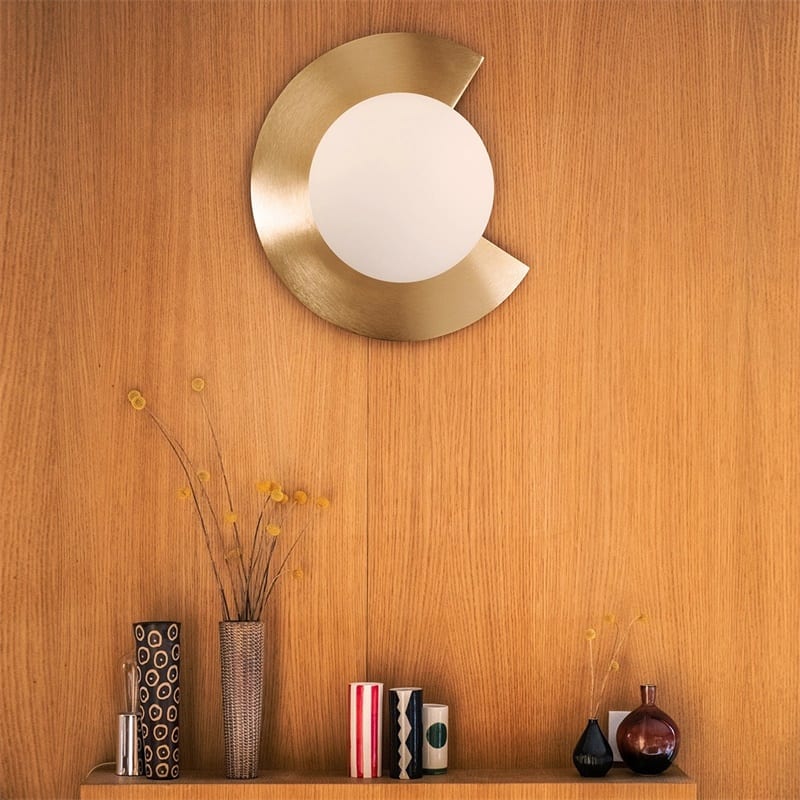 Get this here: Glensooka Chipped Record Brass Wall Lamp
Hack 4 – Choose Fixtures That Do Not Block the Light
There are a lot of lighting fixtures available in the market that for sure can beautify your home even in the morning. Fancy chandeliers, contemporary hanging lamps, modern pendant lamps, these are just examples of commonly used lighting fixtures. However, for dark homes, it’s not advised to just opt with what’s in. You can still go with what’s in trend but make sure that the lighting fixture doesn’t block the light and the fixture is not focused upwards.
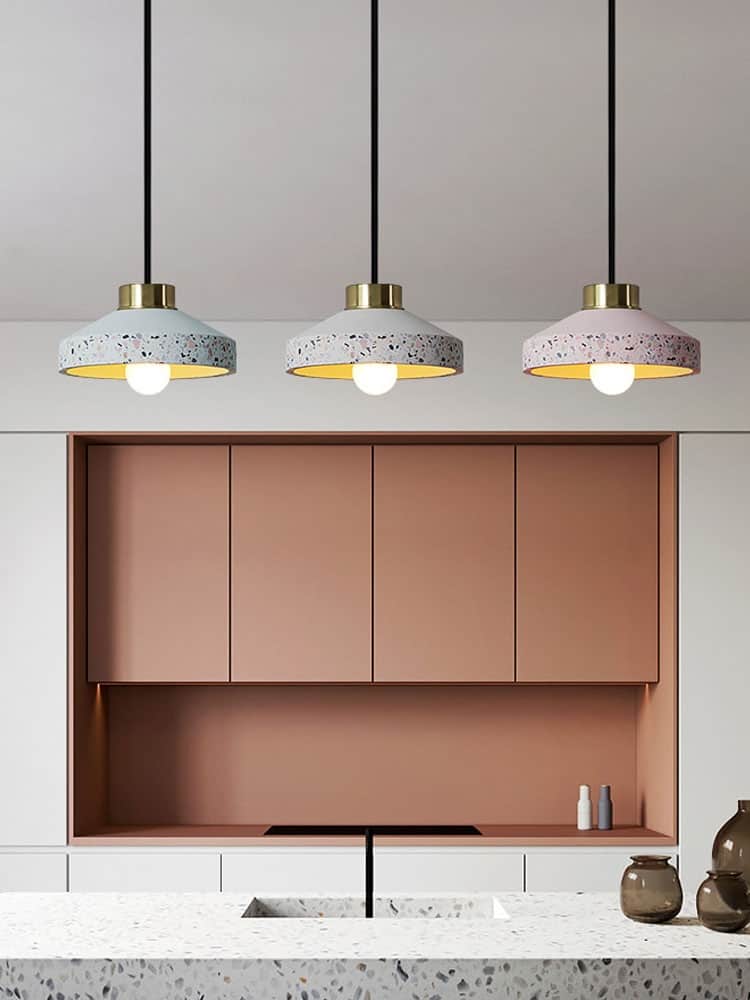 Try this out: Evysoo Cement Terrazo Bottle Jars Pendant Lamp
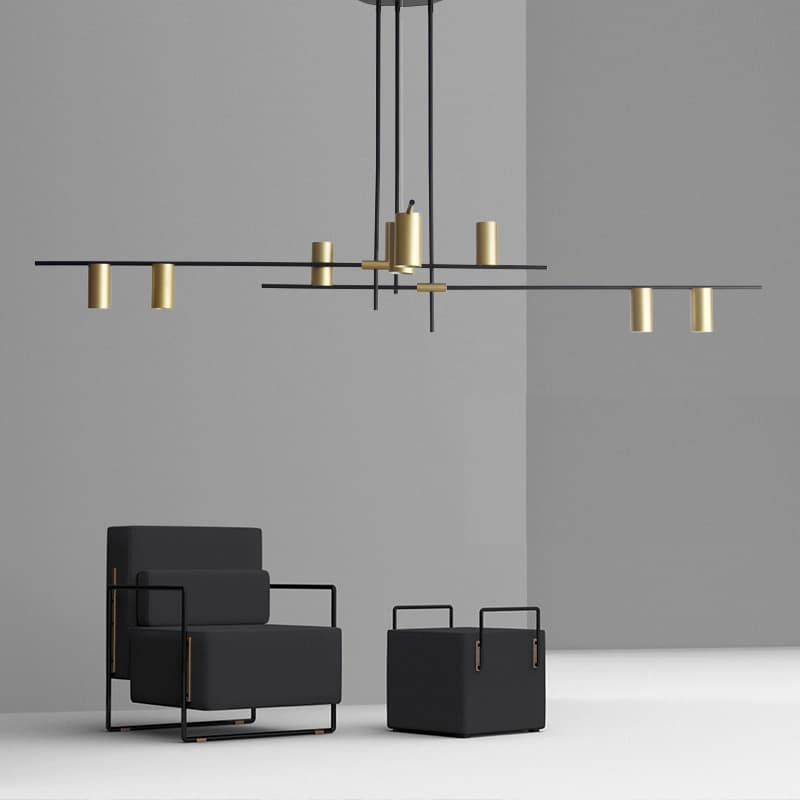 Look this up: Cabaana Tubes on Rod Hanging Lamp
Go with lighting fixtures that have exposed bulbs or at least lighting fixtures with light projected downwards or sidewards for maximum lighting output.
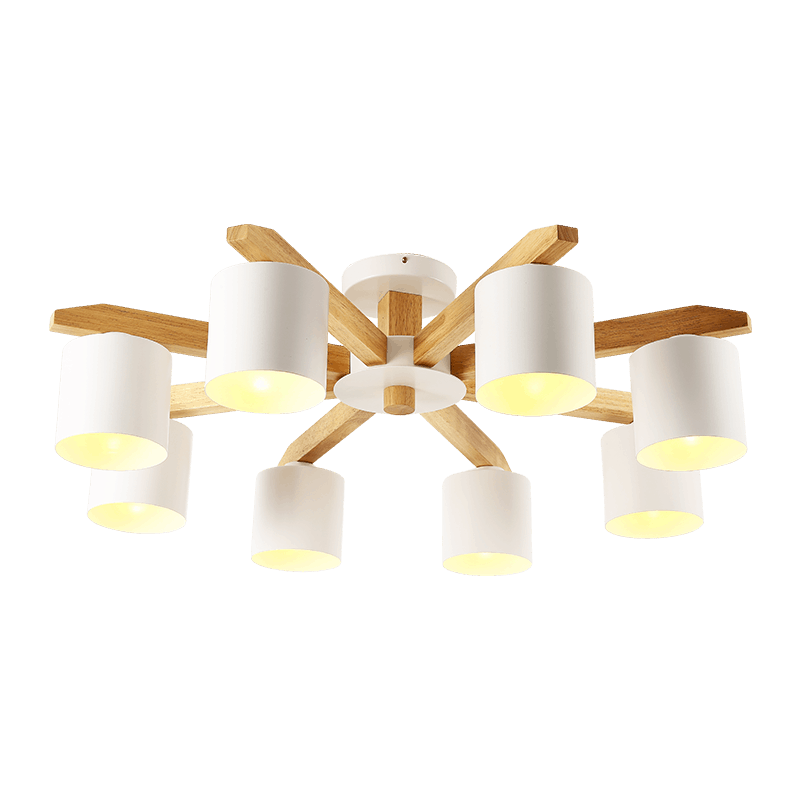 Get this here: Dasona Wooden Macaron Pendant Lamp
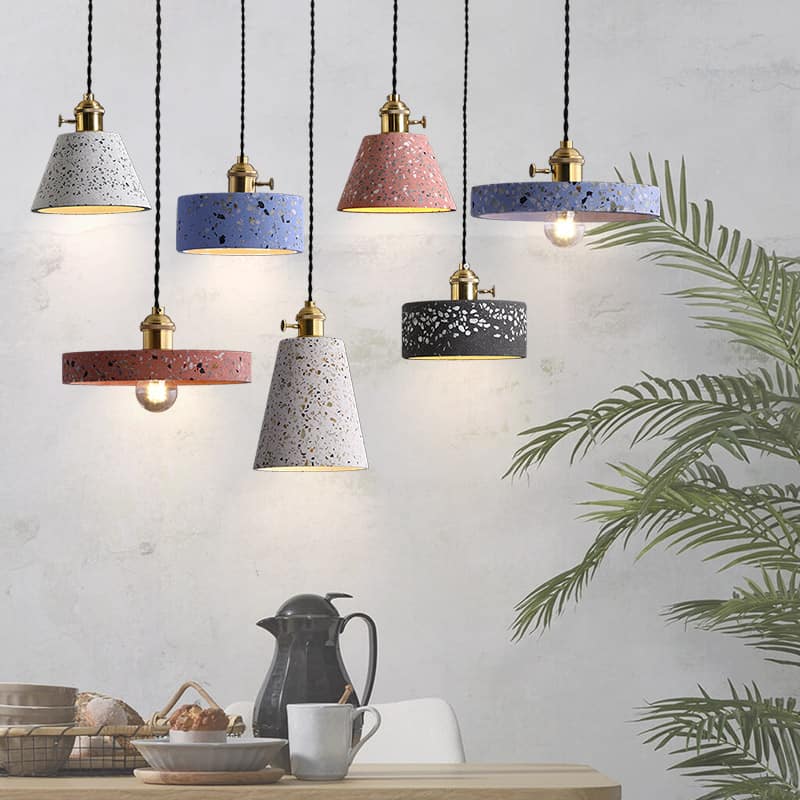 Get this look: Esben Colourful Terrazzo Chic Pendant Lights
Hack 5 – Add Style and Brightness with Linear Lights for Your Walls
If you already have two general lighting and you still find the place dark, you may add linear lights for your walls instead to make your lighting better without actually overwhelming the space. This will provide a sensation of a skylight as if it’s daytime hence brighter despite the light being diffused. There are ready made wall lamps available in the market that will satisfy this need.
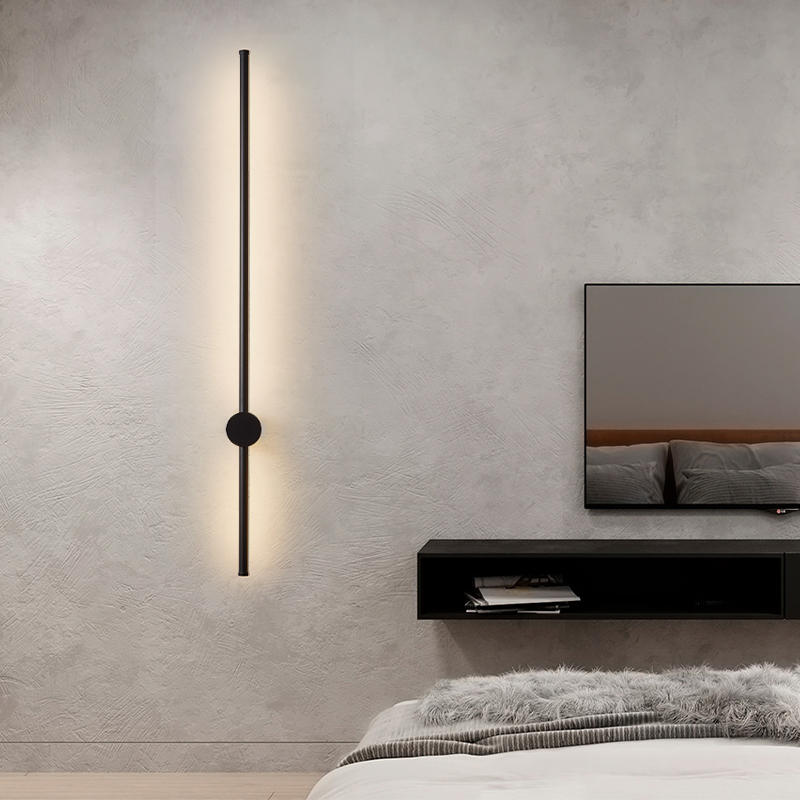 Spot this lighting: Marius Long Sword Wall Lamp
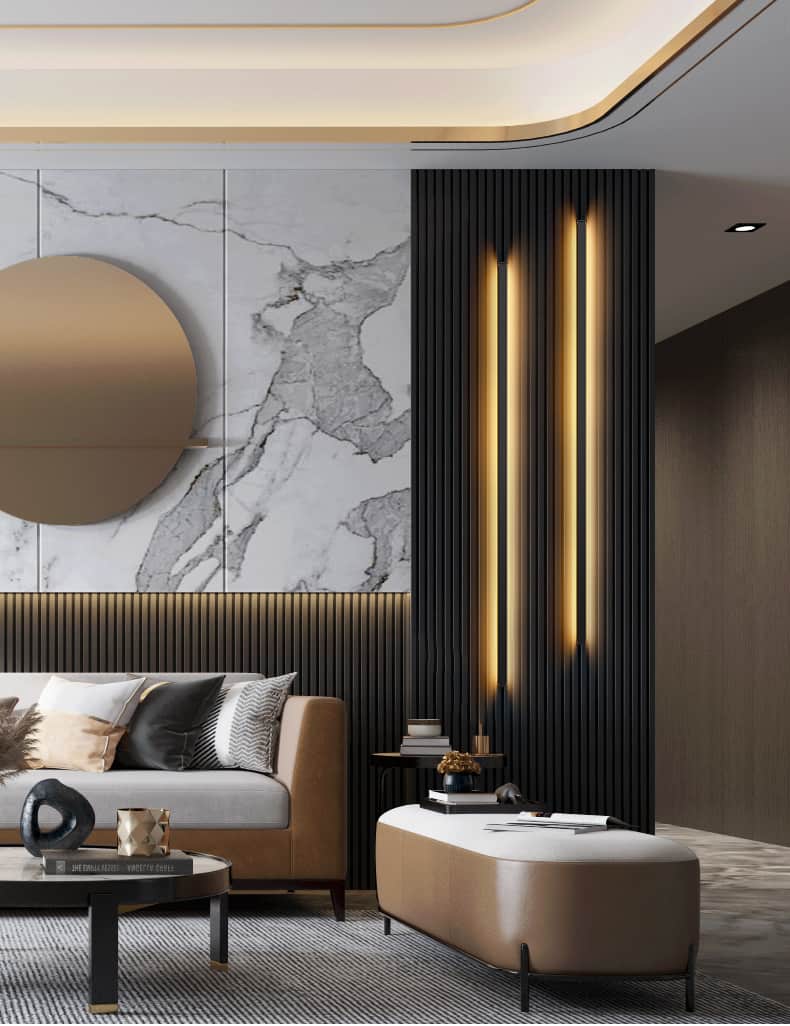 Get this look: Bobanna Sleek Slim Band Wall Lamp
You may also opt for a vertical recessed cove lighting if you’re still on the construction stage or come up with a make shift diffused linear lighting. It’s basically cove lighting like what’s usually done for ceilings but it’s done vertically and built-in on walls.
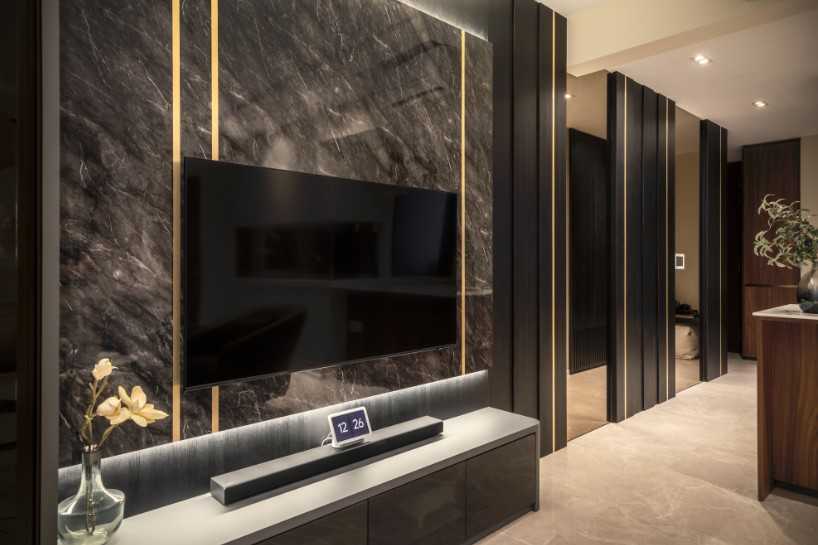 Image Credit: Qanvast, Weiken
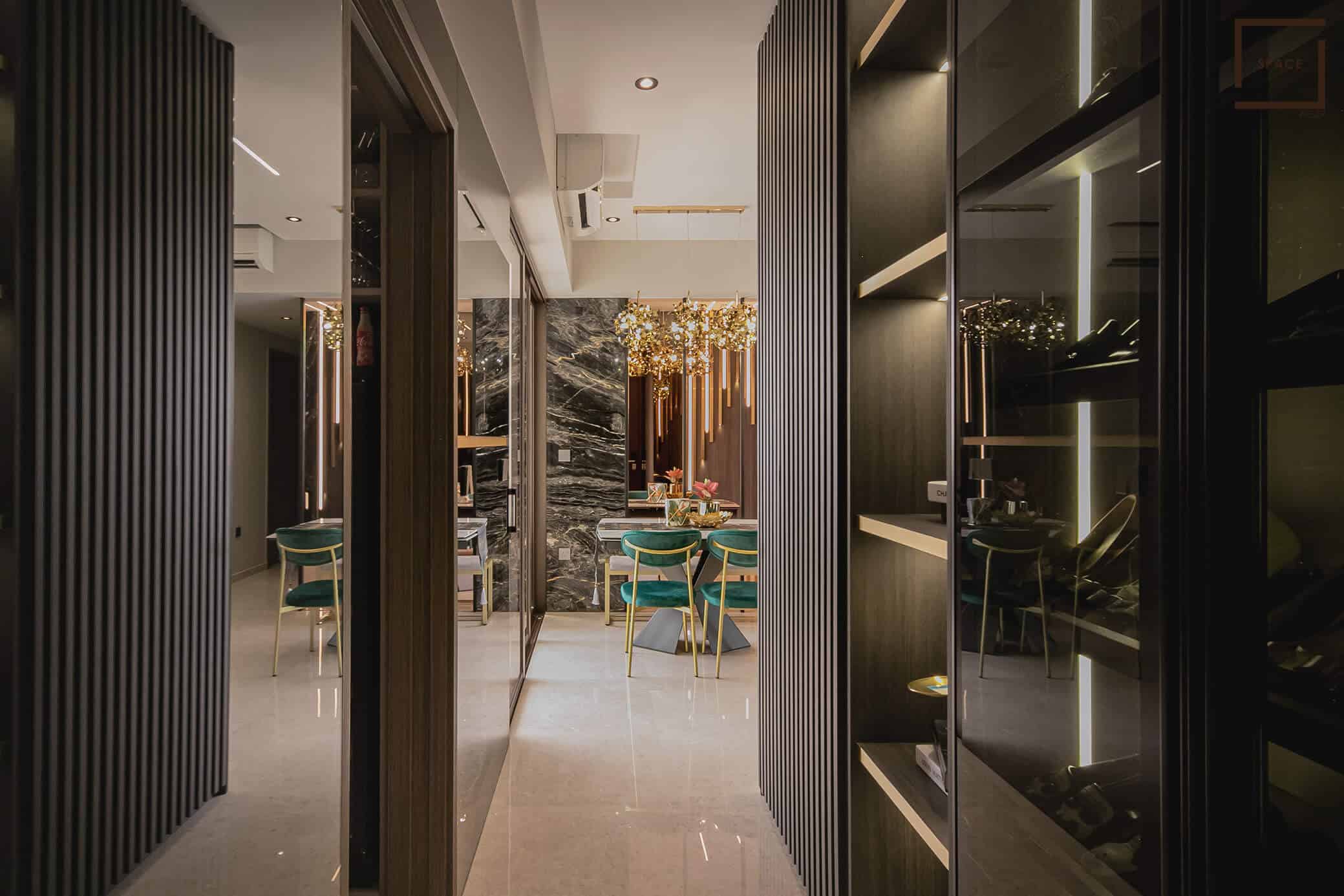 Image Credit: Qanvast, Space Atelier
Hack 6 – Go for Pendants That Can Light Up Your Place
There are various pendant lights available commercially. For dark homes, avoid pendants that just points up or down. Instead, opt for pendants that are capable of lighting up the whole room. The former will give a warm vibe but it will also cast shadows on your already dark place while the latter can provide even lighting on your area.
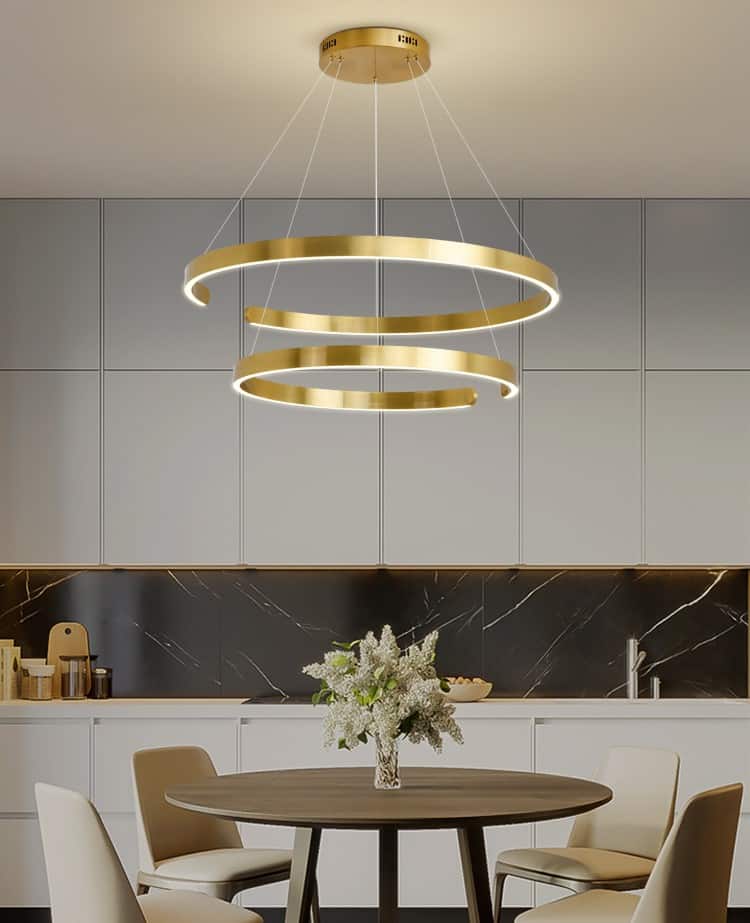 See this look: Lacrosheen C Shape Ring Hanging Lamp
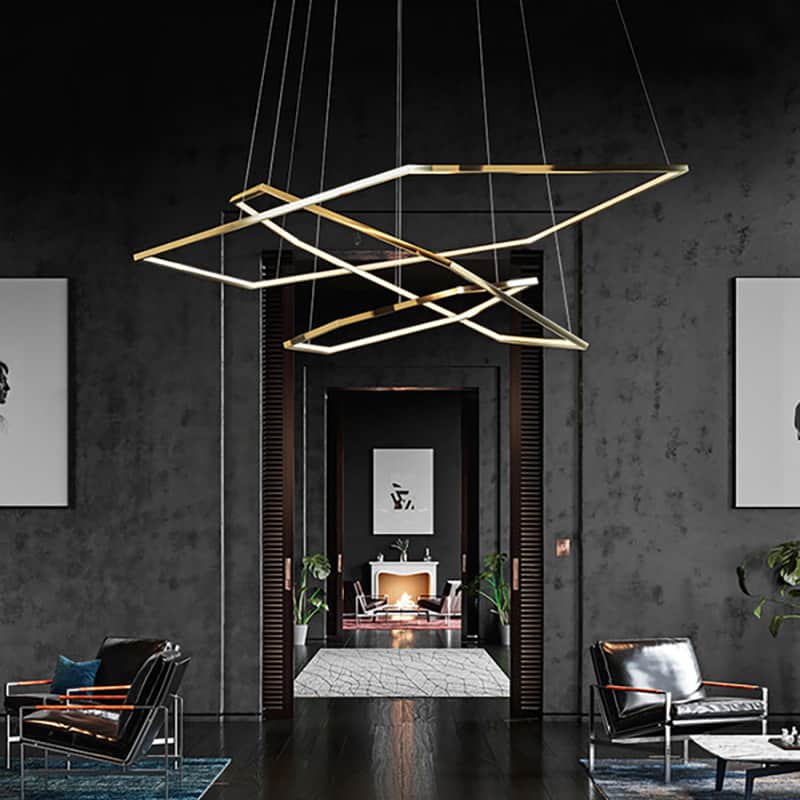 Get this here: Laguuse Polygonal Large Rings Pendant Lamp
In the hallways, a series of identical pendant lamps will create a classic look while also providing sufficient illumination. For kitchen islands or dining tables, multiple pendant lamps can be installed above the countertop for ample lighting.
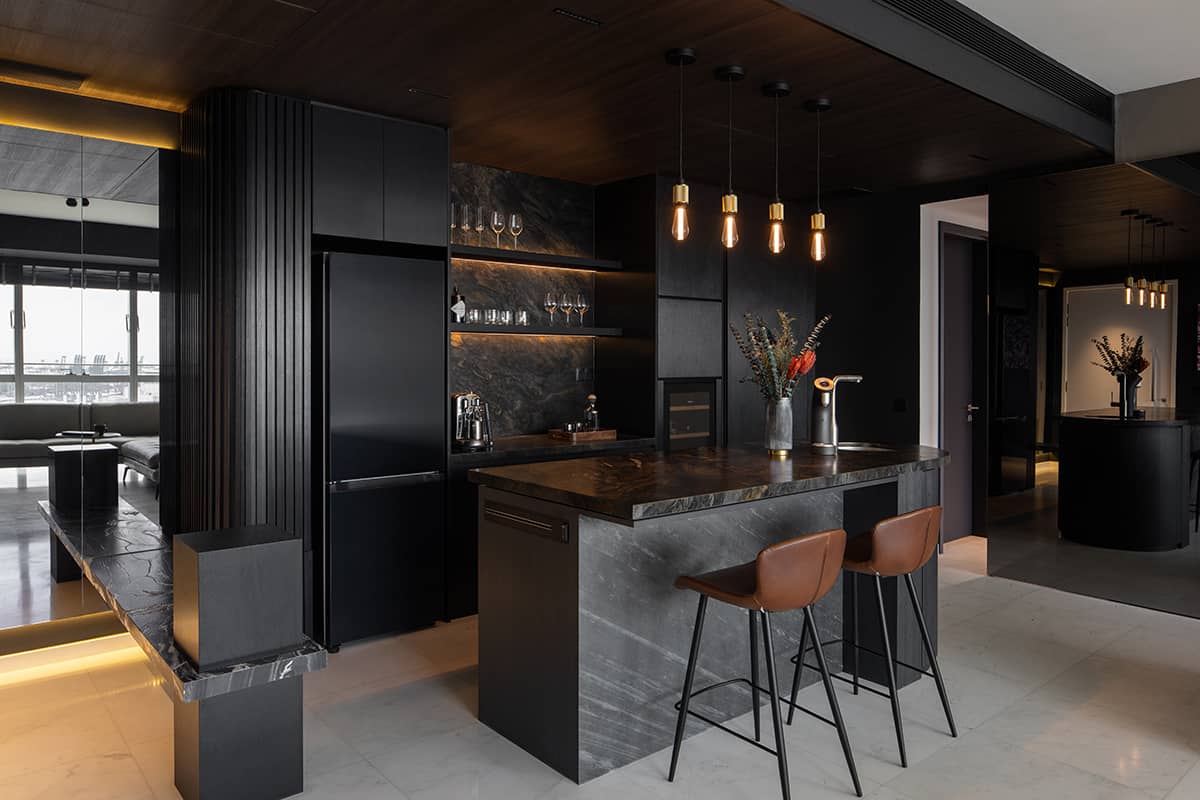 Image Credit: Qanvast, A Blue Cube Design (ABCD)
Other Non-Lighting Hacks
There are more tricks you can do to solve dark home issues. One way is to add mirrors which will surely enhance the daylight that reaches a dark room. It also enhances artificial lighting that you already have in place. It will make the room brighter, lighter, and even dramatic while also doubling the illusion of space. Tinted mirrors are also nice if you want to do something different.
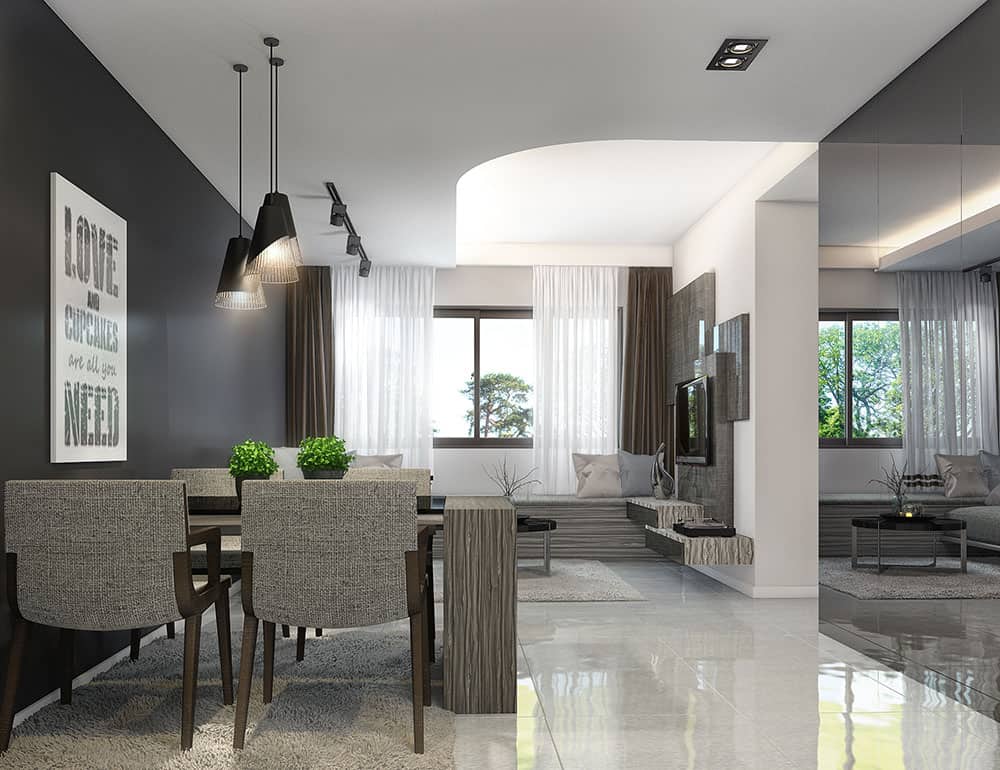 Image Credit: Renonation, I-Bridge
Another non-lighting hack is to opt for glossy wall paints. Glossy paint will allow light to bounce through walls even if it is painted in dark colors. Best thing about glossy paint for your walls besides how it affects the brightness of the room is that it is also not prone to dirt and unwanted markings. You may also opt for semi-gloss paints if you’re aware that your walls have deficiencies particularly with alignment and smoothness. A very glossy paint will emphasize this. Glossy wall features such as claddings or laminates are also proven effective.
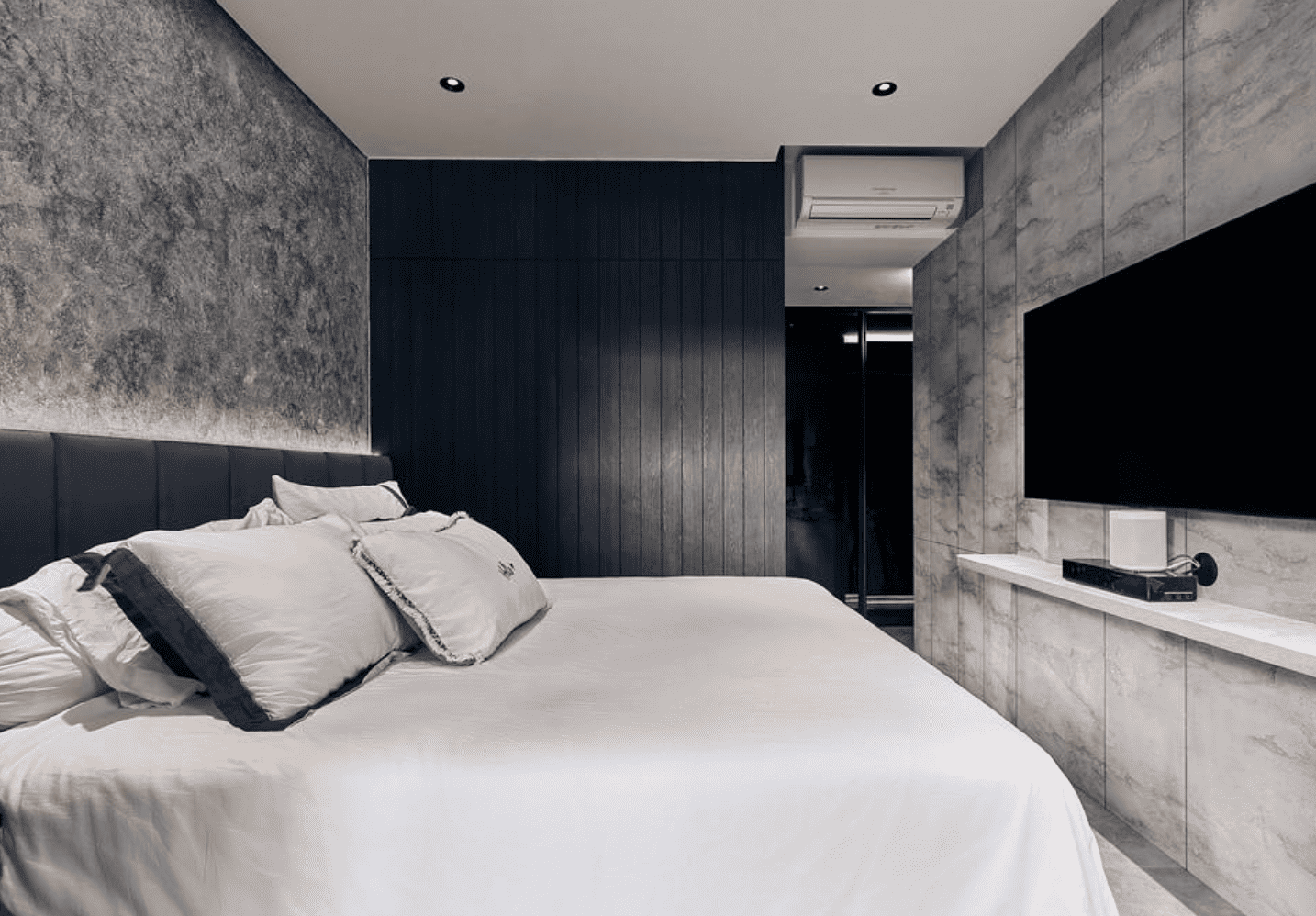 Image Credit: Qanvast, Rockin Spaces
Conclusion:
Having dark features for your home is a preference for many and it is actually still in trend. With proper lighting, it is possible to make a dark home brighter than many could ever expect. By combining the mentioned lighting hacks and some non-lighting hacks, you will surely still have the home of your dreams!
FAQs About Lighting for Dark Homes
1. How can I make my dark home look brighter with lighting?
Use layered lighting by combining ambient, task, and accent lights. Add more fixtures, upgrade bulb wattage, and pick open or downward-facing designs for better illumination.
2. What type of lighting is best for dark walls?
Warm white or neutral white LED lights are ideal. They balance the dark tones of walls while keeping the room cozy and inviting.
3. Do mirrors help brighten a dark room?
Yes! Mirrors reflect both natural and artificial light, instantly making a room feel brighter and more spacious.
4. How many lights should I use in a dark room?
Use multiple light sources for an even glow. Combine ceiling lights, wall lamps, and floor lamps to eliminate shadows and achieve balanced brightness.