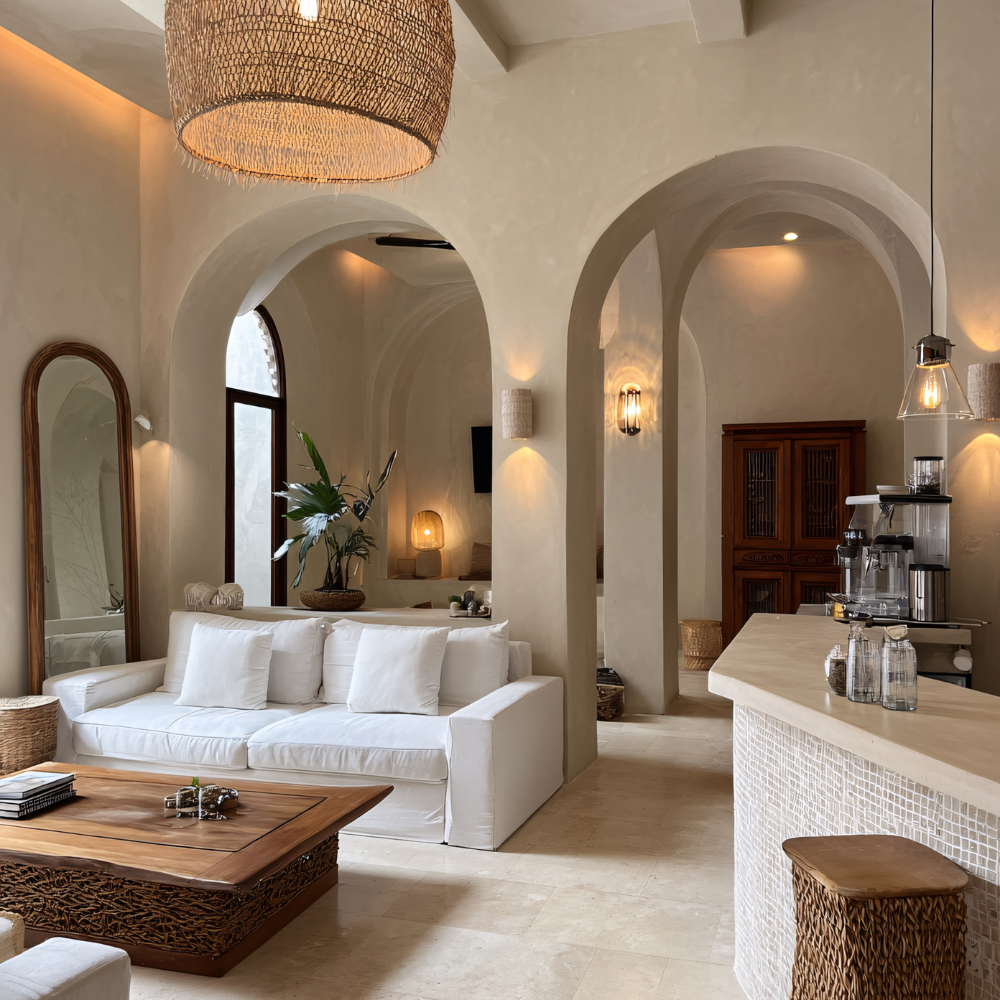
You walk into a beautifully decorated home, but something feels off. People often overdecorate their homes with lights and accessories. This makes the room feel heavy and cluttered. Lighting that is overly complex or strong can take away from the peacefulness of a house.
Lighting brings balance and tranquility to any space. The minimalist lighting is a great way to achieve this balance, as it only uses what’s needed and makes the space glow. It does not overpower the eye; it highlights key elements. Simple lighting changes the mood in a space without taking much energy or space.
This article will cover everything you need to know about how to choose minimalist lighting. Learn what it is, what its benefits are, how it can be used in different rooms, and what finishes and materials work best. Also, we will discuss the best way to use light layers and how to avoid some common mistakes.
What is Minimalist Lighting?
Minimalist lighting emphasizes simplicity and functionality. It removes all unnecessary decoration and uses only what is essential to create a calm and balanced atmosphere. Soft, smooth shapes and clean, balanced lighting characterize this style that uses fewer pieces to make an impact, rather than adding dozens of lamps and heavy fixtures.
The style suits homes with a focus on beauty, harmony, and peace. This style is about creating spaces that are open and feel free. Each light has a specific purpose and is designed to fit in with its surroundings.
Key Characteristics Of Minimalist Lighting:
Three main characteristics of minimalist lighting design:
- Clean lines: The fixtures are smooth, without any extra decorations. They have a Simple and elegant design.
- Neutral Tones: White, beige, and grey colors, as well as black, create a calm atmosphere.
- Purposeful design: Each light source is designed with a purpose in mind. No energy or space is wasted.
Lighting of this type also looks great with materials like wood, metal, and stone.
Benefits (in modern interiors)
The benefits of this lighting in modern interiors are:
Enhancing Space and Calmness
It creates a tranquil atmosphere and makes the room feel open. The room will feel wider and more airy by using fewer but strategically placed lights. It creates a soft, welcoming glow that helps you relax.
Reducing Visual Clutter
Too many sources of light cause visual confusion. Minimalist Lighting eliminates this problem because each fixture has a defined position. It is easier to focus on the design. The balance of the design helps to relax and concentrate better.
Creating Beautiful and Functional Illumination
Minimalist light fixtures are not just about beauty; they also serve a purpose. The daily routine becomes easier when the room is evenly lit. Pendant lights over the dining room table, or floor lamps next to a reading chair, can serve as both a style element and a utilitarian.

What To Consider Before Choosing Minimalist Lighting?
Here are a few factors to consider before choosing minimalist lighting:
-
The room’s purpose and its lighting needs
Every room has a specific purpose. For example, the living room requires soft lighting for comfort, while the kitchen needs bright lights for clarity. Lighting should match the room’s purpose.
-
Natural Light and Layout
Watch how the sunlight comes in during the day. If a room receives a lot of daylight, it may not need much lighting at night. Placement of fixtures is determined by the layout and location of windows and furniture.
-
Coordination of furniture and color palette
Minimalist lighting should be able to blend in with the furniture and walls. Darker fixtures will create contrast if the walls are light. Use metallic or light finishes to balance out dark shades.
-
Sustainable Energy and Energy Efficiency
Energy-efficient bulbs and minimalist LED ceiling lights reduce electricity costs while supporting the environment. Bamboo, recycled glass, or aluminum are all sustainable lighting materials that bring beauty as well as responsibility.
Minimalist Lighting Ideas for Your Room
Here are the best minimalist lighting ideas to make your room bright and elegant.
The Living Room- Dimmable ceiling fixtures and sleek floor lamps
Living rooms are often at the center of the house. Keep ceiling lights adjustable and use sleek, matching floor lamps. Minimalist ceiling lights with dimmable shades can be used to create a soft glow for watching movies and a stronger one for parties.
Kitchen Lighting – Functional Pendants and LED Under Cabinets
Kitchens need bright, focused lighting. Modern pendants above the island or counter give the room a sleek and clean look. The under-cabinet strips of LED light help illuminate the kitchen area without clutter.
Bedroom Lighting-Ambient lighting and wall sconces
It should be a place of calm and relaxation. Relaxing wall lamps or bedside lights are used to create a relaxing atmosphere. For sleeping rooms, warm colors like golden tones or whites are ideal.
Bathroom Lighting- Minimalist Mirror and Vanity Lighting
The bathroom often requires a bright, but soft light. Simple mirror lights can be used to enhance the appearance of your bathroom and help you groom. You should avoid using too many ceiling lights because they can create shadows.
Desk Lighting -Task and Desk Lamps
Use task-specific lighting to create a productive workspace. Desk lamps with flexible necks and a minimalistic design are ideal for keeping the work area efficient. The cool white light increases concentration and accuracy.

Selecting the Right Materials and Finishes
Here’s how to choose the right materials and finishes.
Matte vs. Glossy Finishes
Matte finishes have a subtle and soft look. These finishes reduce glare, and they create harmony between furniture. Glossy surfaces, however, add a modern sheen and reflect light. The mood of your room and the color scheme will determine what you choose.
Natural materials, metals, and glass for minimalist harmony
Metals like black steel or brushed brass look great in minimalist interiors. Wooden elements add warmth and make the room look more spacious. Combining textures creates a sense of depth and simplicity by combining different materials.
Best Way to Layer Minimalist Lights
Here’s how to layer minimalist lighting effectively.
Balance between ambient, task, and accent lighting
Three layers of lighting are essential to a minimalist design. Accent lighting highlights the design elements, while ambient lighting is used to provide general illumination. They create harmony and depth when combined.
Creation of Dimension Without Clutter
Instead of using multiple bulbs, use smart layers. The combination of recessed lights with pendants or floor lamps near artwork will add richness and beauty without creating chaos. Choose fewer, but more versatile, light sources.
Common Mistakes to Avoid
The most common mistakes to avoid in the design are described below.
Decorating With Too Many Light Fixtures
People think that more light will improve the quality of a room. Too many accessories can upset the minimalist balance. Choose fewer, but more powerful pieces to express your desired style.
Incorrect Colour Temperature or Brightness
The wrong brightness or temperature can change the mood in a space. Cool tones are best for workspaces, and warm white lighting is ideal for living rooms. Always test before final installation.
Top Trends in Minimalist Lighting
The Top Trends in Minimalist Lighting include:
Smart Minimalist Lighting Systems
Smart systems are included in modern minimalist lighting designs that allow users to adjust the brightness via mobile apps or vocal commands. These systems provide control without cluttering the wall.
Subtle yet Sculptural Designs
Light fixtures are now designed to look minimalist and like works of art. The room looks modern and simple with thin rings, geometric shapes, and linear rods.
Sustainability and energy-efficient options
Solar and low-energy materials are becoming more popular. Eco-friendly minimalist pendant lights are becoming more popular among homeowners. They save money and protect the environment.
The maintenance is necessary to create a good look. Remove any obstructions to the light and keep all lighting fixtures free of dust. Clean light surfaces look brighter.
How to Adapt to Seasonal and Mood Changes
The lighting needs of a room can change depending on the mood and weather. In cool weather, a soft light is ideal. Brighter lights are better in cloudy and rainy conditions. Dimmers and bulb types can be adjusted to suit the mood.
Different Lighting Styles
| Lighting Style | Design Focus | Created a mood | The Best of Everything |
| Minimalist Lighting | Simple and Functional | Calm, balanced, and calm | Home and office design for the modern home |
| Lights for the Holidays | Decorated and rich | Classic Warmth | Halls and large rooms |
| Industrial Lighting | The Raw and Bold | The urban and the edgy | Lofts, studios, and apartments |
| Scandinavian Lighting | Soft and natural | Bright and Fresh | Living in compact spaces |
Conclusion:
Lighting minimalism is more than a design choice; it’s a lifestyle of clarity and purpose. By selecting simple but thoughtful fixtures, each space will become calmer, more balanced, and beautiful. Light touches the center of the space without overwhelming it.
Explore the perfect lighting for your space with Screed. Discover Screed’s collection today and shop minimalist, Scandinavian, modern, premium quality lights in Singapore, and transform your home with modern simplicity.
FAQs:
What sets Minimalist Lighting different from other types?
Lighting minimalists focus on functionality and simplicity. It creates a calm and tidy look by removing all unnecessary decoration. This style is perfect for modern homes with open, peaceful, and spacious spaces.
What is the best way to create a minimalist atmosphere in a room?
The light spreads evenly, eliminates shadows, and gives the room a larger feel. Light touches surfaces gently and sets a relaxed mood.
What are the best materials for minimalist lighting fixtures?
Metal, natural wood, and glass are the most popular materials. These colors blend seamlessly with neutral walls and give the appearance of a bright, clean room.
Does minimalist lighting work well in small areas?
Yes, minimalist lighting works perfectly in small areas. Its clean design and focused illumination make rooms feel brighter and more open. Simple pendant or ceiling lights are ideal choices.